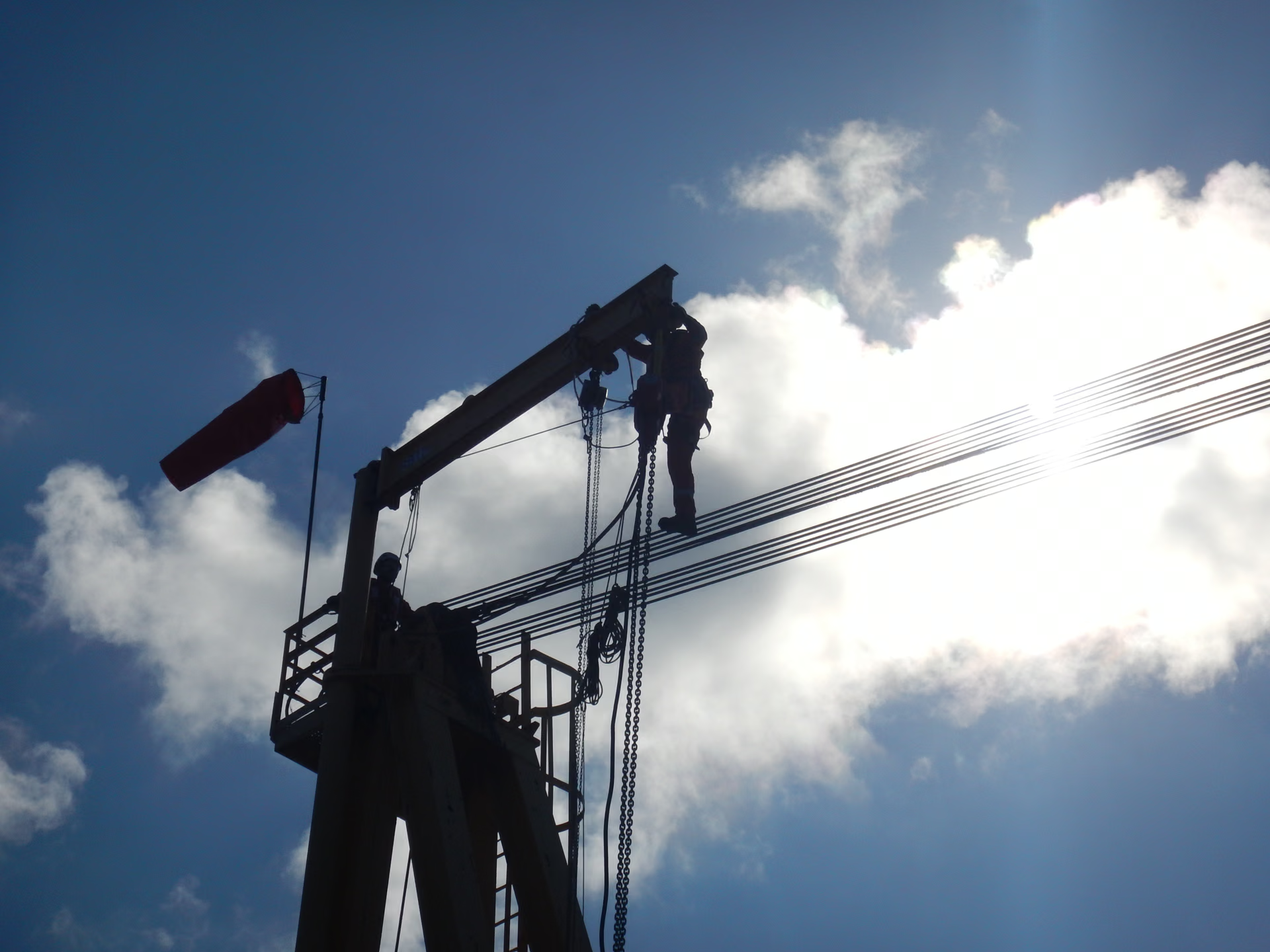
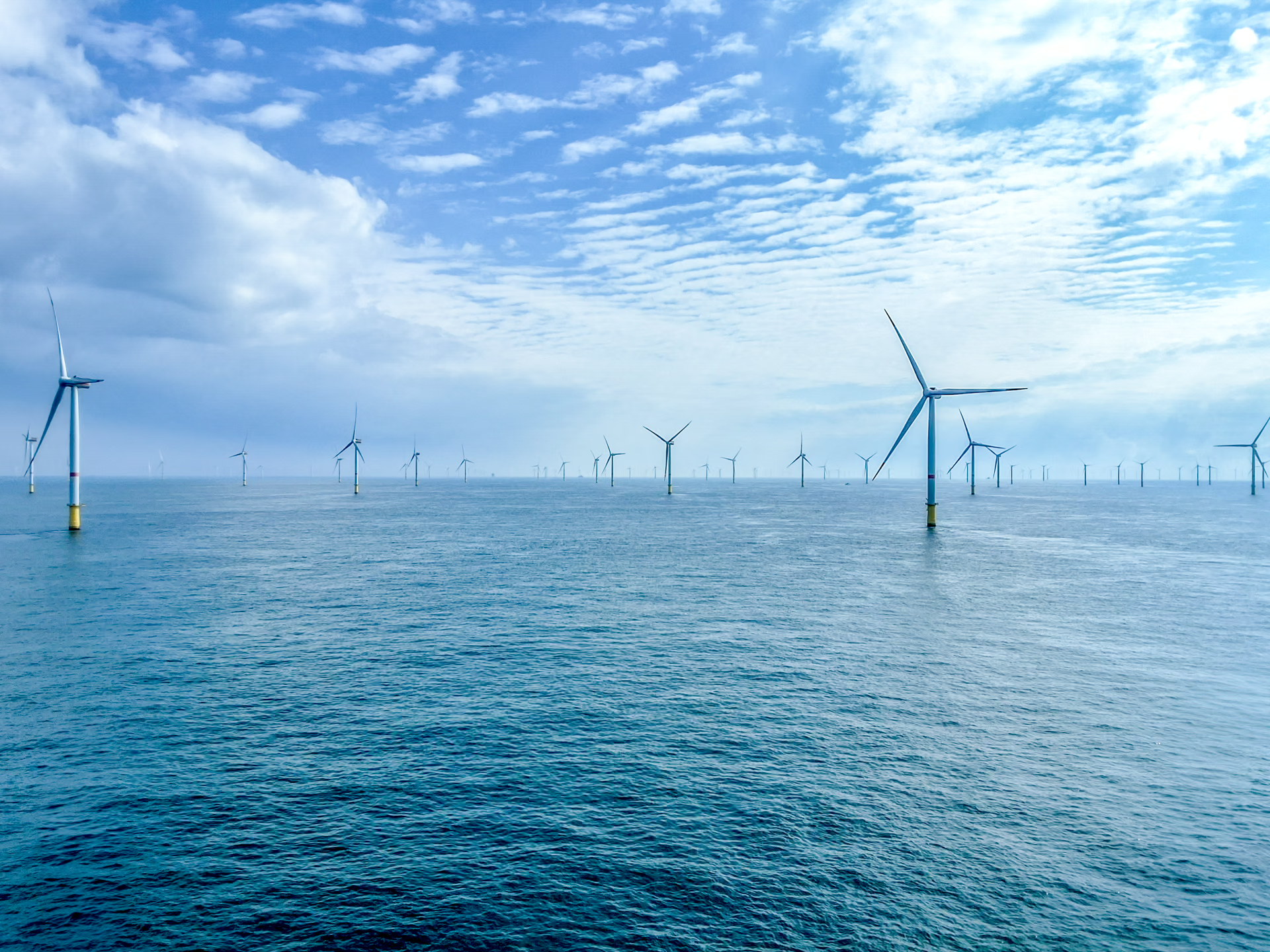
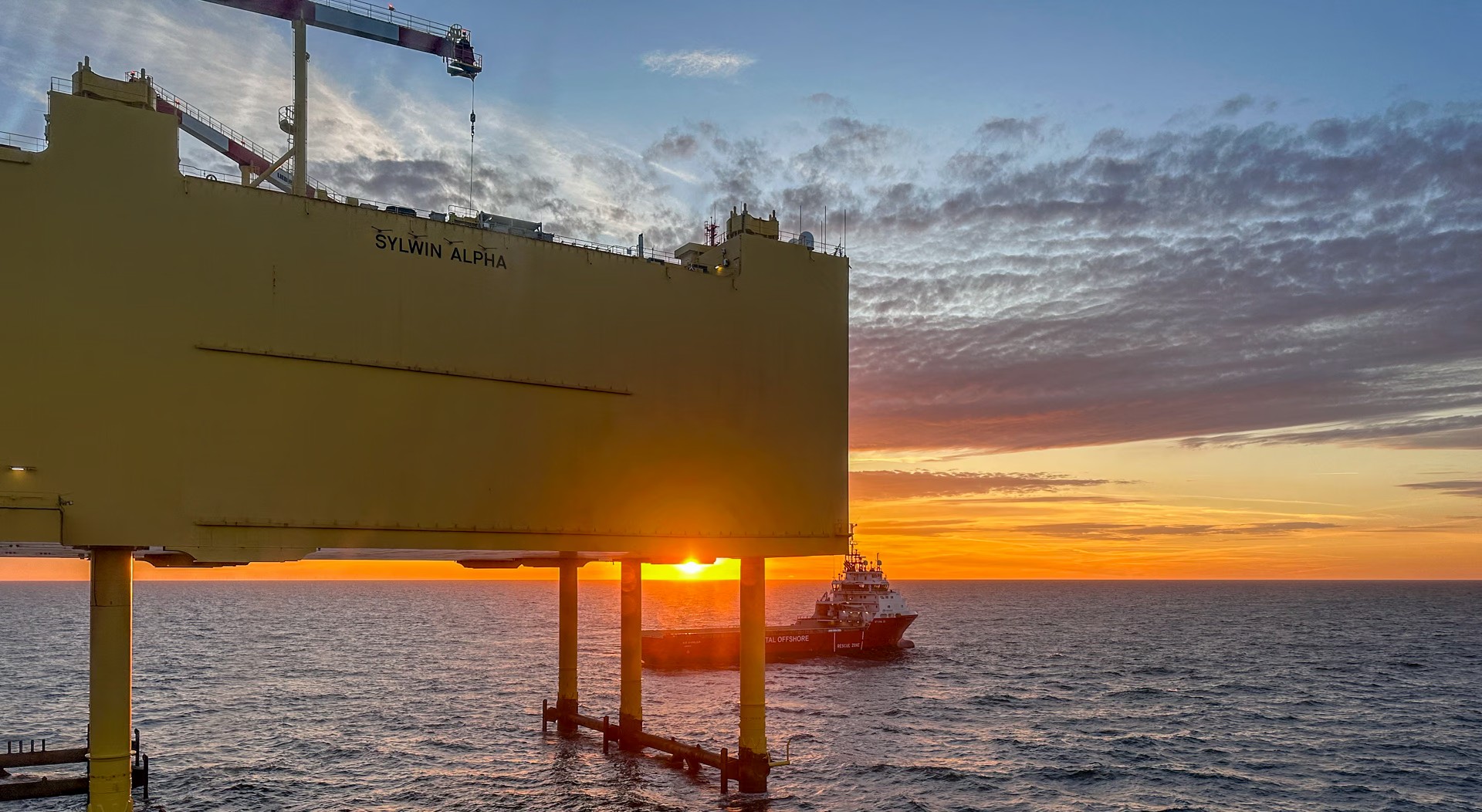
During a planned outage campaign on an offshore substation, OIS performed SF₆ gas handling services to support maintenance activities within a gas‑insulated switchgear (GIS) room. SF₆ (sulphur hexafluoride) is widely used in high‑voltage GIS installations due to its excellent dielectric and arc‑quenching properties. However, because SF₆ is a potent greenhouse gas and can present safety risks in confined spaces, all handling activities must be executed using emission‑free, closed‑loop systems and in accordance with applicable standards and environmental regulations.
Scope and Context
The outage required temporary removal of SF₆ gas from a sealed GIS compartment to allow access for inspection and maintenance works. The scope included controlled gas recovery, compartment conditioning, gas quality verification and re‑filling, all executed offshore within a confined GIS room environment. The works were performed as part of a wider, tightly scheduled outage campaign.
Equipment and Setup
OIS deployed a two‑person specialist SF₆ team, supported by certified SF₆ service equipment from WIKA, with comparable technology principles aligned to solutions offered by DILO, both recognized industry leaders in emission‑free SF₆ gas handling. WIKA’s SF₆ service portfolio includes mobile service carts and fully automated service units capable of gas recovery, evacuation, filtration, drying and refilling, while ensuring traceability of handled gas volumes in line with F‑Gas requirements. DILO equipment is similarly designed around the principle of “zero‑emission” gas handling, with closed systems, leak‑tight couplings and integrated gas processing functions.
Watch how we prepare and execute
Watch how we prepare and execute
Operational Execution
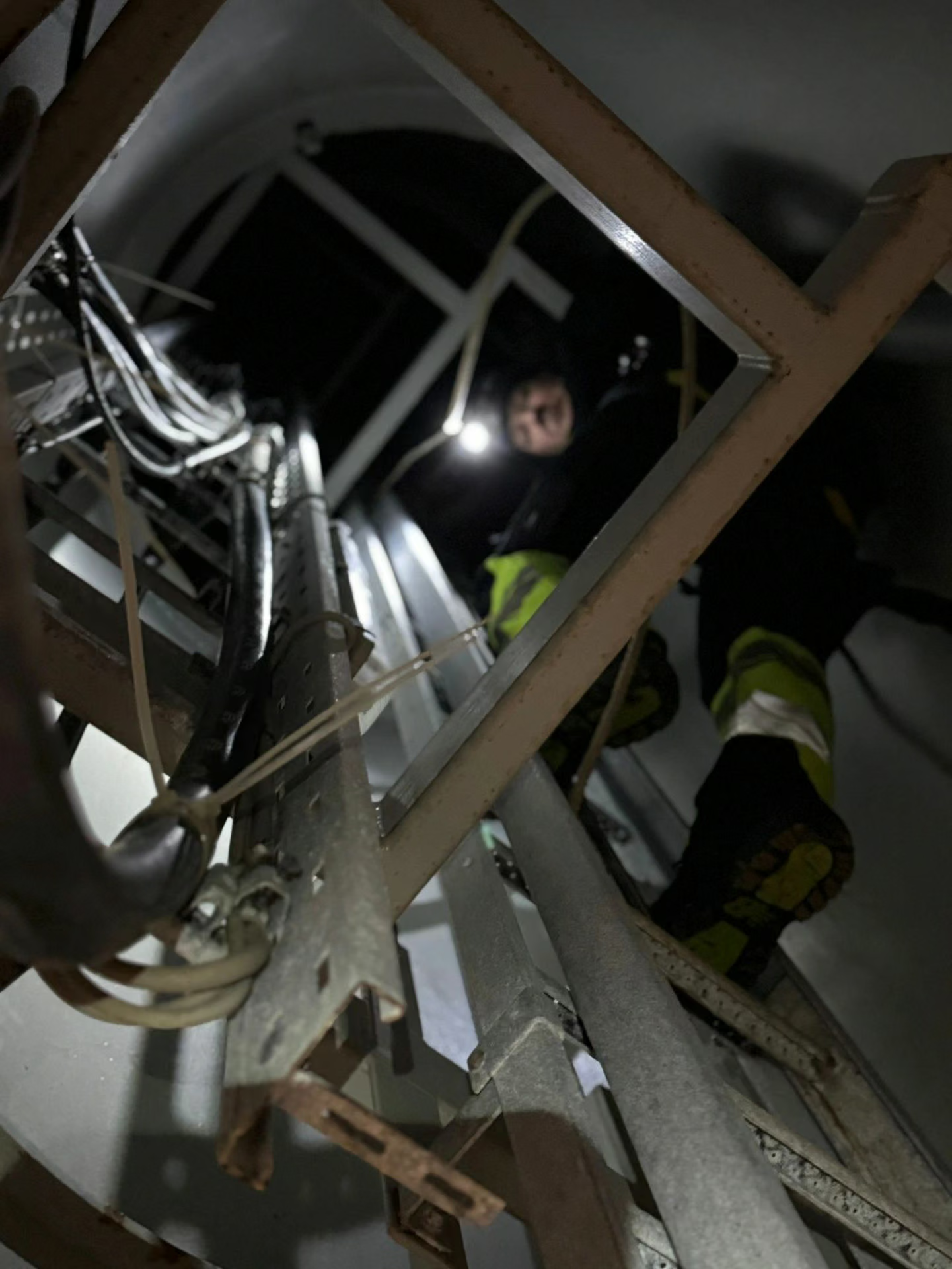
Upon mobilization, the SF₆ service unit was connected to the GIS compartment using self‑sealing, leak‑tight hose connections, preventing any release of gas during connection or disconnection. Approximately 30 kg of SF₆ was recovered from the compartment into the service unit using a closed recovery cycle. This recovery phase typically takes several hours (around six hours in this case) and runs largely automatically once configured, with the team supervising process parameters and system integrity.
After recovery, the compartment was evacuated and conditioned to prepare it for opening. Clean air was introduced to render the space accessible for internal work. Where required, nitrogen purging was applied to lower the moisture content and ensure a sufficiently dry internal environment, reducing the risk of condensation or contamination prior to recommissioning.
Gas Quality Control and Reporting
Before re‑filling, SF₆ gas quality checks were carried out in line with established industry practice and manufacturer guidance. These checks typically include verification of SF₆ purity, moisture content and the presence of decomposition products, ensuring that only gas meeting the required quality criteria is re‑introduced into the GIS compartment. The results of these gas quality checks were documented and reported as part of the scope, providing transparency and traceability for the client.
Following completion of the internal works, the GIS compartment was re‑evacuated and then refilled with SF₆ gas to the specified pressure using the same closed‑loop system. All filling operations were monitored and controlled via the service unit to prevent overfilling and emissions.
-31.avif)
Safety and Environmental Considerations
Although SF₆ is hazardous if released into confined spaces and environmentally harmful if emitted, no breathing protection was required for the OIS team due to the use of sealed systems, controlled procedures and continuous supervision. The combination of certified equipment from WIKA‑class and DILO‑class suppliers, trained personnel and closed handling processes ensured safe execution and strict environmental protection throughout the offshore operation.
Client Relevance
This project demonstrates OIS’s capability to support specialized SF₆ gas handling activities in offshore GIS environments, integrating seamlessly into complex outage campaigns. By using industry‑standard equipment platforms and applying disciplined operational procedures, OIS enables clients to carry out essential maintenance on offshore substations while maintaining compliance with safety and environmental requirements.
See how we got to work
No items found.
PRoject case study pdf
Download the PDF of this project case study here.
Thanks for leaving your email address. You can now download the requested case study
Oops! Something went wrong while submitting the form.
No items found.
Related Cases
Related Services
Offshore Wind
Maritime and Port Environment
Lifting Services
Onshore & Offshore
Offshore Wind
Maritime and Port Environment
Hydraulic Services
Onshore & Offshore
Offshore Wind
Maritime and Port Environment
Electrical Services
Onshore & Offshore
Related Blogs
.png)

Contact
We're here to answer your questions
Do you have any technical questions, general enquiries or do you need additional information? Don’t hesitate to contact our experts. With their expertise and experience in lifting services, they will gladly help you.
You can contact us by phone or email. We’re looking forward to your questions!
You can contact us by phone or email. We’re looking forward to your questions!