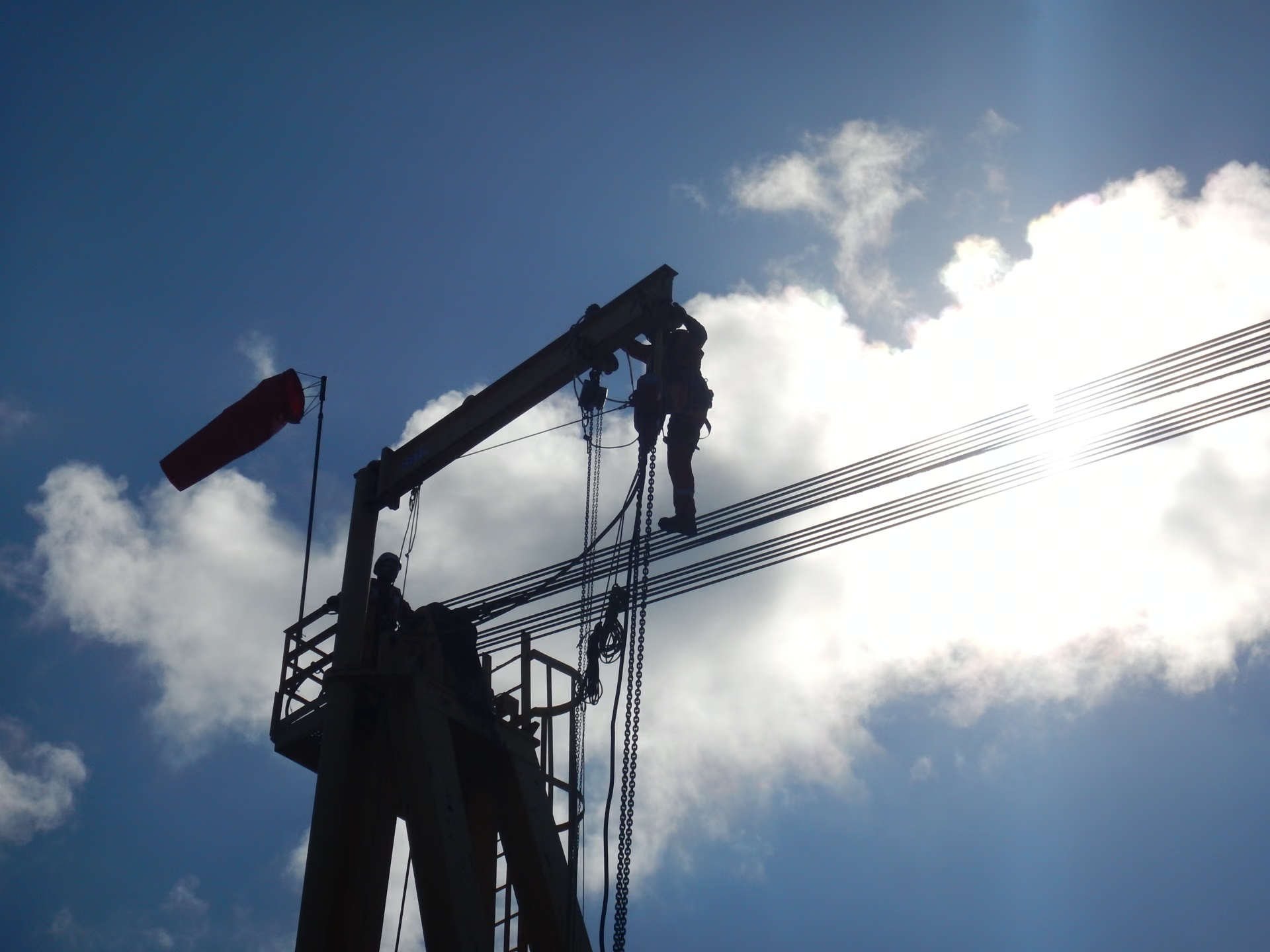
Case
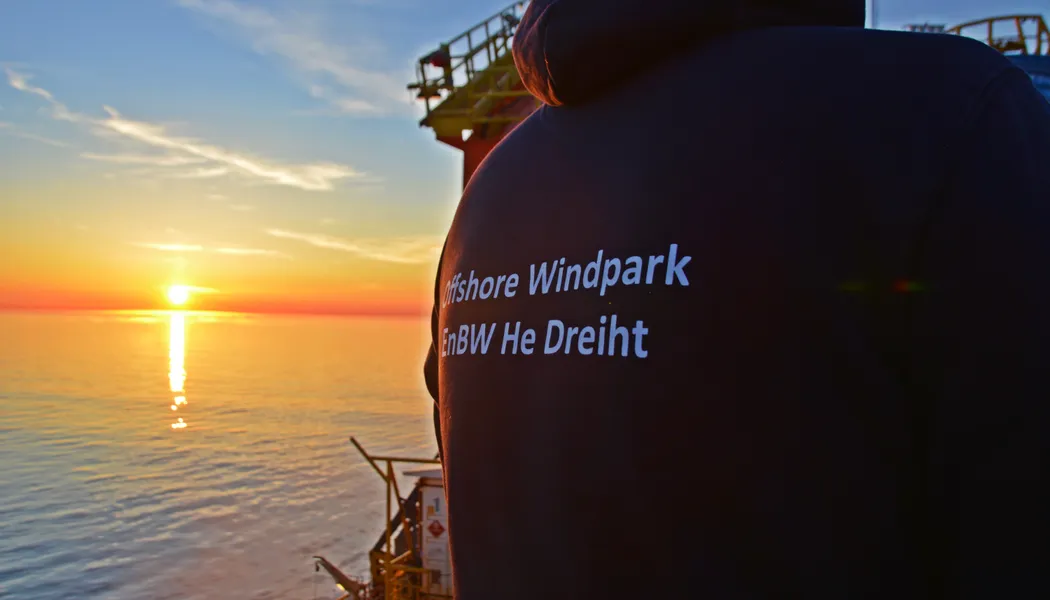
OIS-Conbit Responsibility
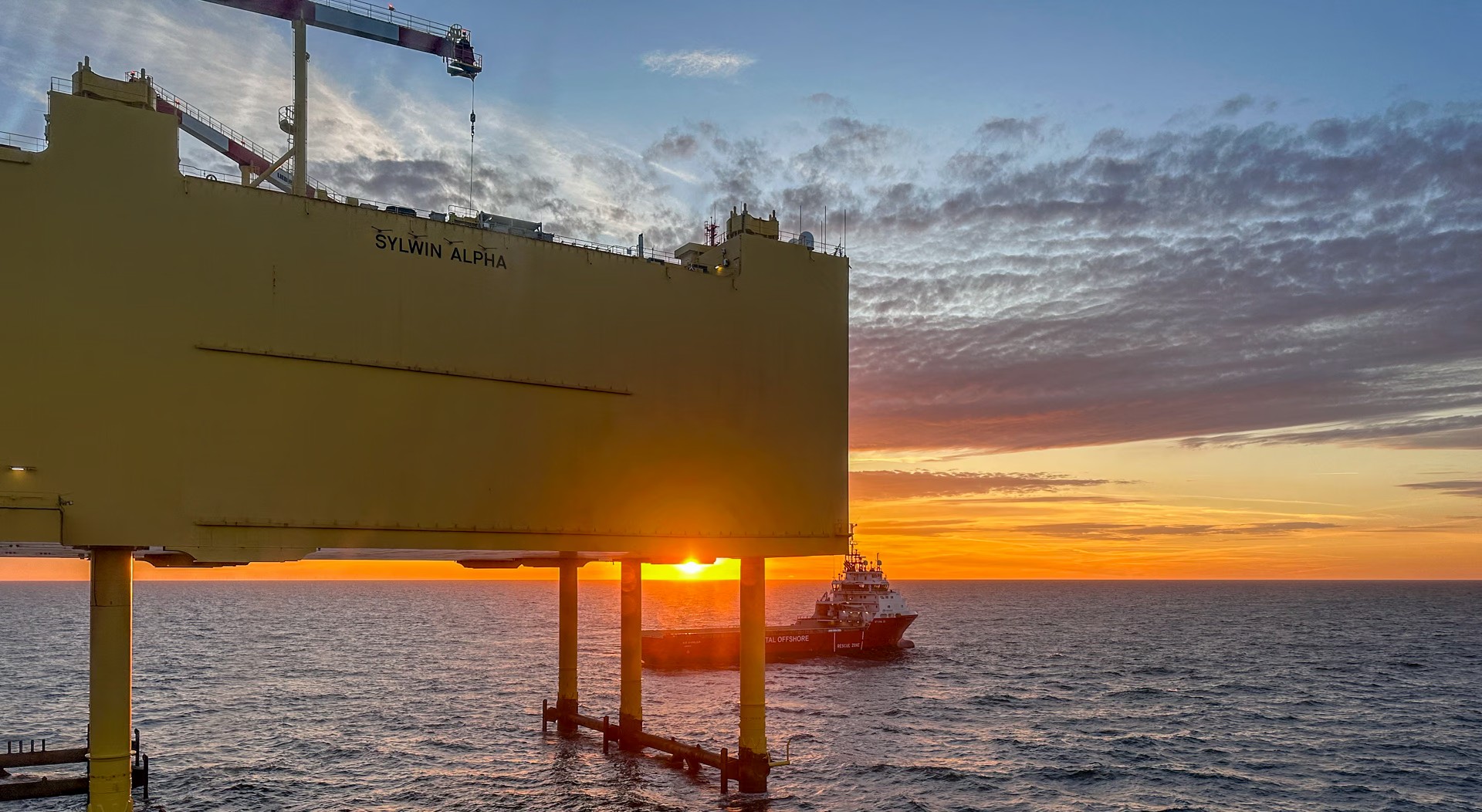
Maintaining electrical integrity before turbine installation is a critical but often overlooked project phase. At He Dreiht offshore wind farm, this scope covered preventive maintenance, inspections and testing of transition piece systems, ensuring that all electrical and communication infrastructure remained functional, protected and ready for turbine installation.
Watch how we prepare and execute
Watch how we prepare and execute
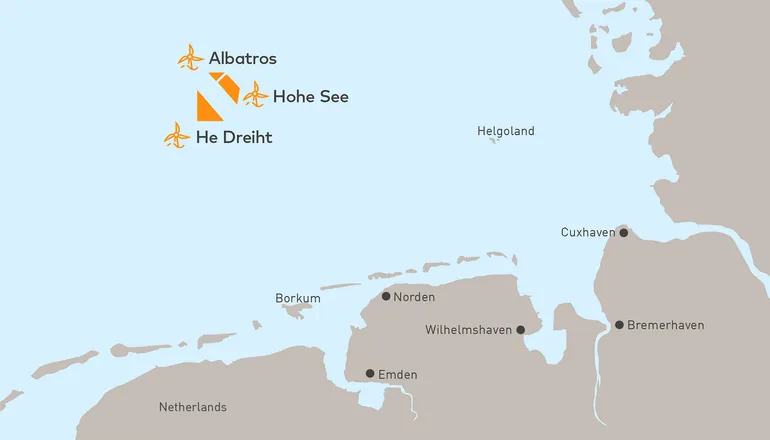
A Wind Farm in Transition
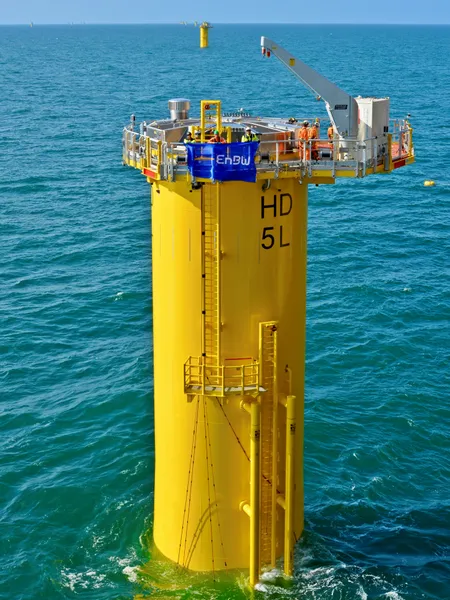
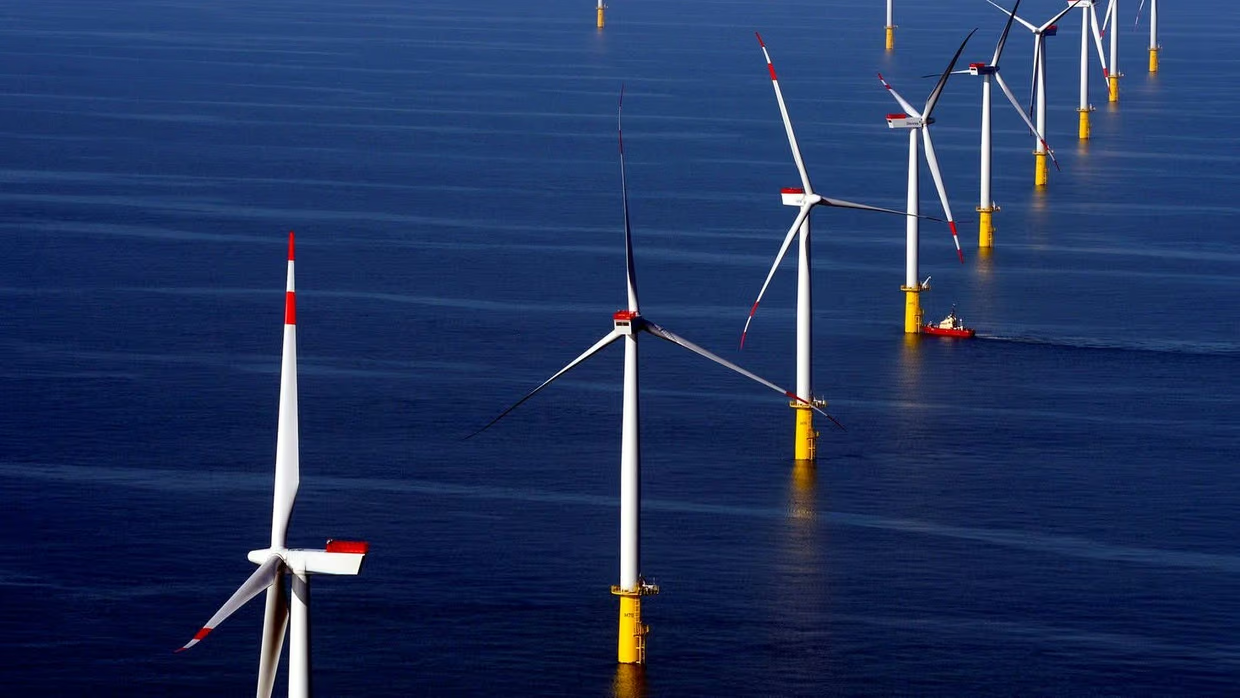
He Dreiht, located in the German North Sea and developed by EnBW, represents one of the next generation large-scale offshore wind projects. At the time of these works, the monopile foundations and transition pieces had already been installed, while turbine installation was still pending.
This created a unique project phase. The offshore structures were fully exposed to environmental conditions, yet not fully operational. Electrical and communication systems were in place, but without turbines connected, they risked degradation, damage or undetected faults. Ensuring system integrity during this period was essential to avoid delays and complications later in the project lifecycle.
Preserving Electrical Integrity Offshore
A significant part of the scope focused on preventive maintenance of low-voltage systems within the transition pieces. This included switchboards, lighting systems, small power installations and auxiliary systems designed to support safe access and future operations.
Regular inspections were carried out to assess the condition of these systems in a harsh offshore environment. Particular attention was given to early signs of corrosion, moisture ingress and installation defects. By identifying and addressing these issues early, the project team ensured that electrical systems remained reliable and compliant throughout the interim period.
Ensuring Communication Readiness
In parallel, the integrity of the communication infrastructure formed a key element of the scope. Fiber optic cables connecting the offshore structures to the wider network were tested to verify signal quality and continuity.
Through systematic testing, including specialised measurements, potential issues such as signal attenuation, damaged fibers or weak connections could be detected and resolved at an early stage. This was critical, as communication systems play a central role in turbine control and monitoring once the wind farm becomes operational.
Preparing for the Next Phase
Beyond maintenance and testing, the overarching objective was to ensure that each transition piece was fully prepared for turbine installation. This required a structured approach to inspections, documentation and corrective actions.
By maintaining system readiness and resolving defects ahead of time, the project team minimised risks during the next project phase. As a result, turbine installation and commissioning could progress without unnecessary delays, ensuring a smoother transition from construction to operation.
More information on the windfarm can be found on the ENBW website.
See how we got to work
No items found.
PRoject case study pdf
Download the PDF of this project case study here.
Thanks for leaving your email address. You can now download the requested case study
Oops! Something went wrong while submitting the form.
No items found.
Related Cases
Related Services
Offshore Wind
Maritime and Port Environment
Lifting Services
Onshore & Offshore
Offshore Wind
Maritime and Port Environment
Hydraulic Services
Onshore & Offshore
Offshore Wind
Maritime and Port Environment
Electrical Services
Onshore & Offshore
Related Blogs
.png)

Contact
We're here to answer your questions
Do you have any technical questions, general enquiries or do you need additional information? Don’t hesitate to contact our experts. With their expertise and experience in lifting services, they will gladly help you.
You can contact us by phone or email. We’re looking forward to your questions!
You can contact us by phone or email. We’re looking forward to your questions!